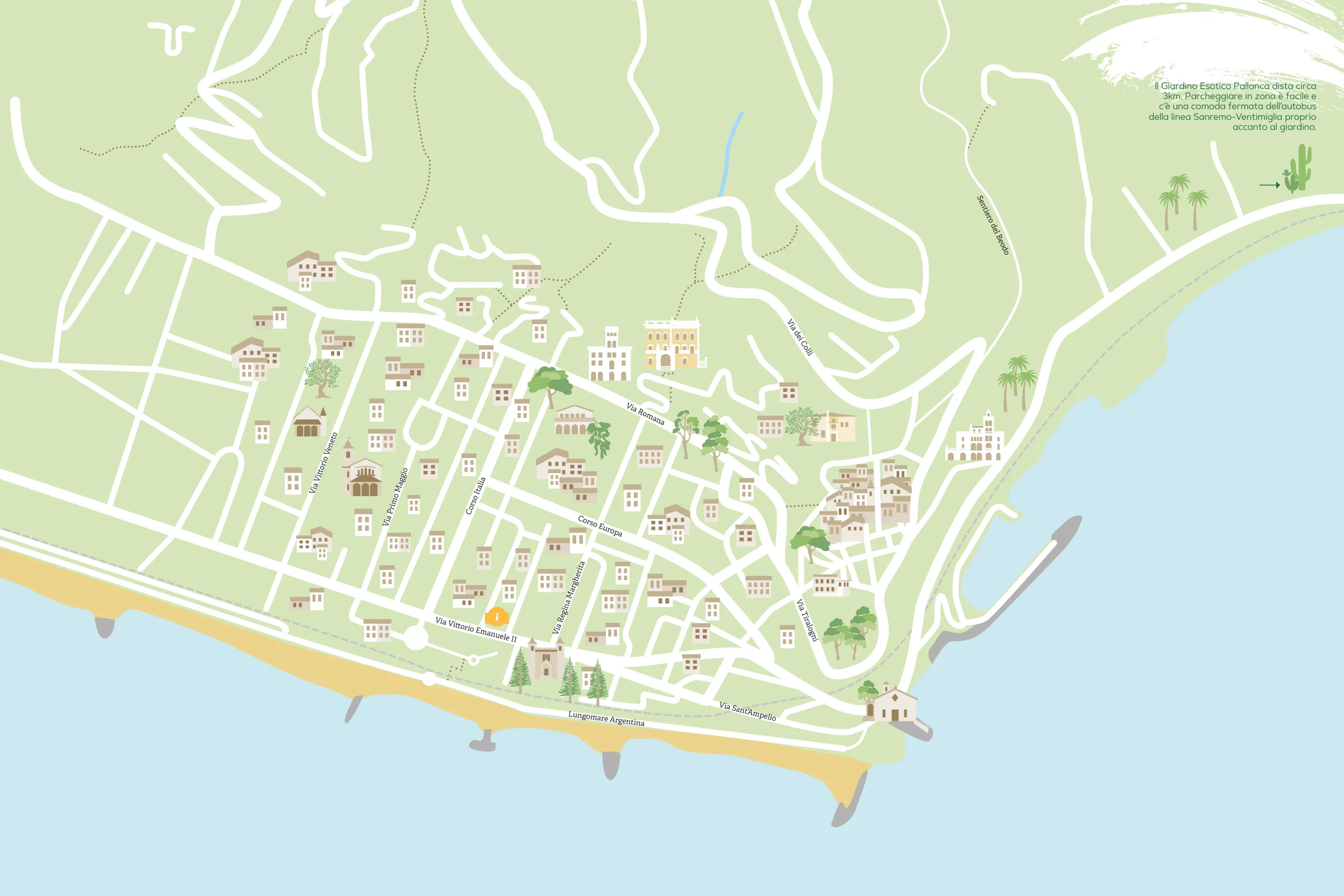


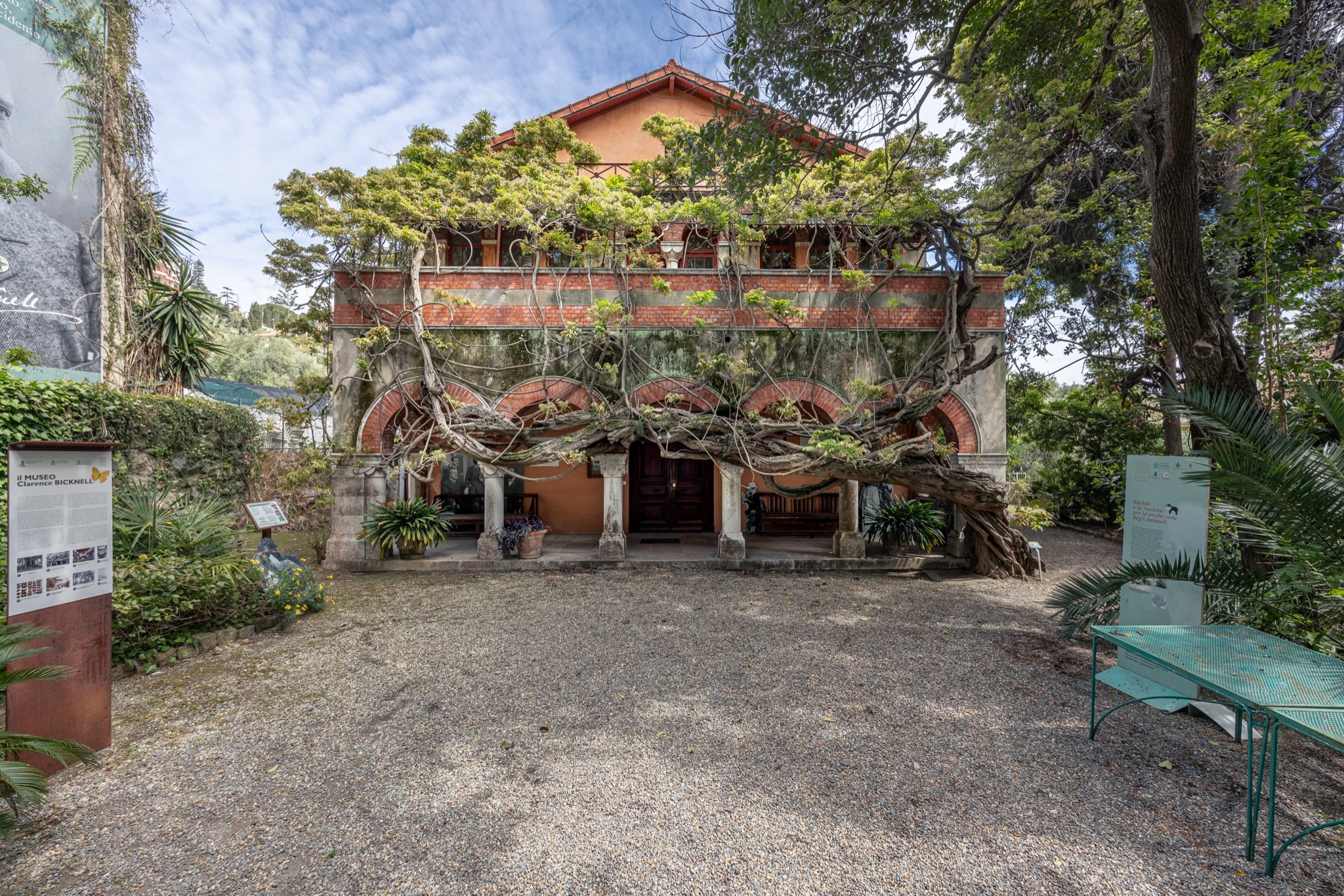
On the Via Romana, behind two gigantic fig trees, stands the Museo Bicknell: a stone building with a colonnaded portico, founded in 1888 by the English naturalist Clarence Bicknell. Today it belongs to the Istituto Internazionale di Studi Liguri and is a museum, a library and a research centre all in one, among the places most closely tied to the Bordighera of the English.
Inside are the collections Bicknell assembled over thirty years of study: casts of the rock engravings of Mont Bégo, one of the most important butterfly collections in Europe, watercolours of flowers and a large library. Outside, a garden with two monumental trees: the fig trees and the wisteria on the façade.
Clarence Bicknell and the birth of the museum
Clarence Bicknell (1842–1918) came to Bordighera as an Anglican clergyman and here became a botanist, archaeologist and artist. In 1888 he founded the museum, partly to give the large English colony a place to display collections and to meet. The neo-medieval building has a rectangular plan, a portico inspired by Roman models and, inside, a hall with a raised stage, like a small auditorium.
For more than thirty years Bicknell combined scientific research with philanthropy. He studied the flora of the Riviera, published illustrated books on the plants of Bordighera and Sanremo, and was among the first to make a systematic study of the prehistoric rock engravings of the Vallée des Merveilles, on Mont Bégo, now in France.
What to see
The Mont Bégo engravings
The museum is best known for its casts and reproductions of the rock engravings of the Vallée des Merveilles: thousands of prehistoric signs that Bicknell copied and catalogued during his summers in the mountains.

The butterflies and the watercolours
Bicknell’s butterfly collection is considered among the most important in Europe. Alongside it are his watercolours of flowers and plants, painted with a botanist’s precision.
The library
Built around Bicknell’s own books, it now holds more than 85,000 volumes and thousands of journals on archaeology, art and local history: it is still a research library, open to scholars.

The garden and the monumental trees
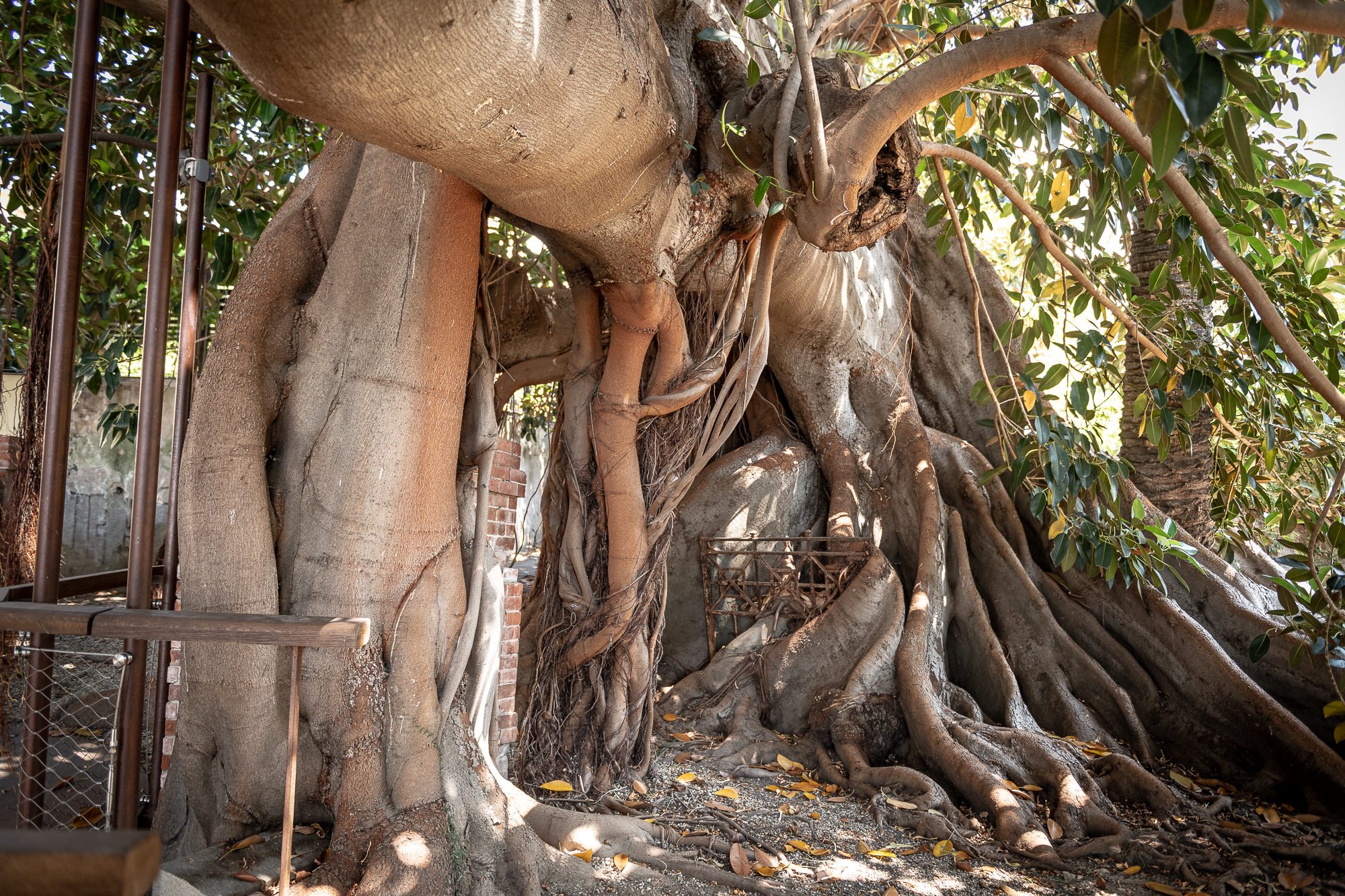
In front of the entrance grow the Moreton Bay fig trees planted by Bicknell, now some twenty metres tall, and on the façade the wisteria: both are listed among Italy’s monumental trees. The gate is open during museum opening hours.

Opening hours
Museum
Current- Tue and Sat14:00–17:00
Library
Current- Mon and Wed9:00–13:0013:30–17:00
- Times provided by the IAT tourist office (April 2026); ticket prices to be confirmed with the museum.
Tips for your visit
- How long you need: an hour for the museum and the garden.
- When to go: opening hours are limited, so check them in the information box above before you set off.
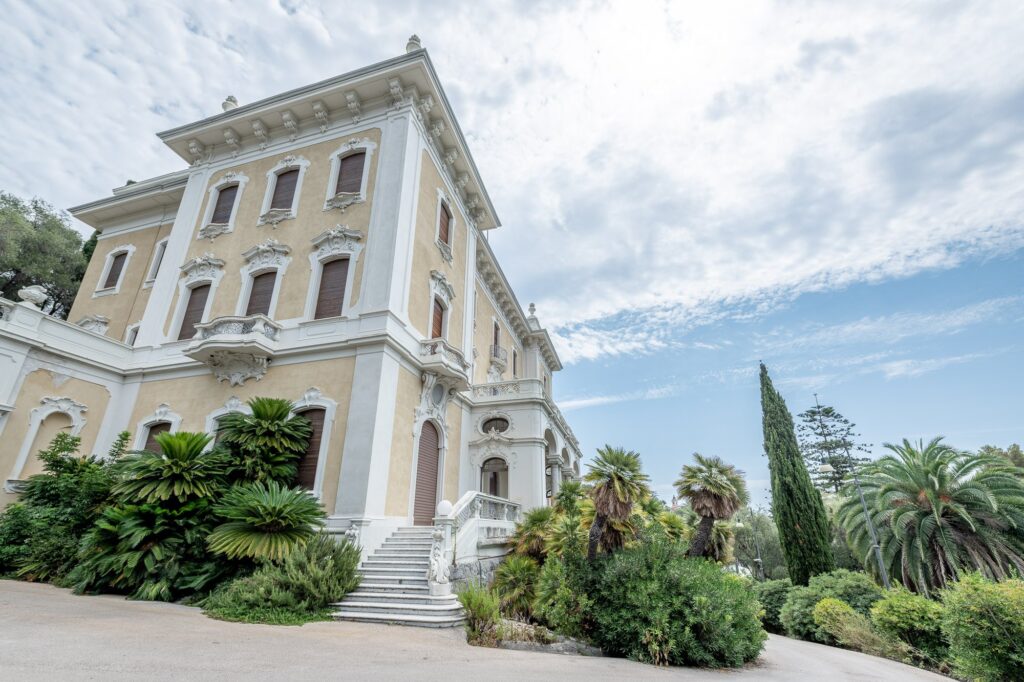
- Combine it with: the museum is on the Via Romana, a few steps from Villa Garnier, Villa Etelinda and the “M” markers of Via Romana through Monet’s eyes.
Frequently asked questions
Who was Clarence Bicknell?
An English naturalist and scholar (1842–1918) who lived in Bordighera for many years: a botanist, archaeologist and flower painter, he studied the rock engravings of Mont Bégo.
What can you see in the museum?
Casts of the Mont Bégo engravings, the butterfly collection, watercolours of flowers, the library and the garden with its monumental fig trees and wisteria.
When is it open?
On just a few days a week: you will find the opening hours in the information box above. It is best to call ahead, on +39 0184 263601.
Can you see the fig trees without entering the museum?
You can see them from the Via Romana; the garden is open during museum opening hours.