

From the top of the old town, in the garden of the Fondazione Pompeo Mariani, you can admire some of the most important views Monet painted in Bordighera.
The painter Pompeo Mariani (1857–1927) bought this land in 1909 precisely because of the place’s link with Monet. In the monumental garden you will find the studio and the residence designed by Garnier, enlarged by Broggi and decorated by Mazzucotelli. Monet’s olive trees, listed in Italy’s official register of monumental trees, also grow here.
From the Moreno Garden to Villa Mariani
At the end of the 19th century, on the hill behind Bordighera Alta, stretched the Moreno Garden: an estate of more than eighty hectares of olives, oranges, lemons, mandarins and palms, with exotic plants brought back from the travels of its owner, Francesco Moreno, a dealer in olive oil and citrus fruit. It was the largest garden in western Liguria, and it was here that in 1884 Claude Monet painted some of his most famous canvases. The painter was spellbound: in a letter he wrote that a garden like this could not be described, that it was pure magic.
In 1885 Countess Fanshawe asked the architect Charles Garnier, designer of the Paris Opéra and of Villa Garnier, to build her a cottage on this part of the hill. In 1909 the property passed to Pompeo Mariani, a painter born in Monza and nephew of Mosè Bianchi, who had been visiting Bordighera and the French Riviera for years. Mariani had the house enlarged by the architects Luigi Broggi and Angelo Savoldi, who added a floor, the wooden balconies and the entrance with Doric columns; in 1914 a second project by Rodolfo Winter extended the north-west wing with a large drawing room.
Some of the finest Italian craftsmen of the time worked on the house: the cabinetmaker Eugenio Quarti for the furniture and panelling, the bronze-worker Giovanni Lomazzi and the master of wrought iron Alessandro Mazzucotelli for the metal decorations.
After the painter’s death in 1927, the villa remained in the family. In 1998 it was bought by the collector Carlo Bagnasco, who restored it together with the Soprintendenza of Liguria; since 2008 the studio has been the home of the Fondazione Pompeo Mariani.
What to see
La Specola, the painter’s studio
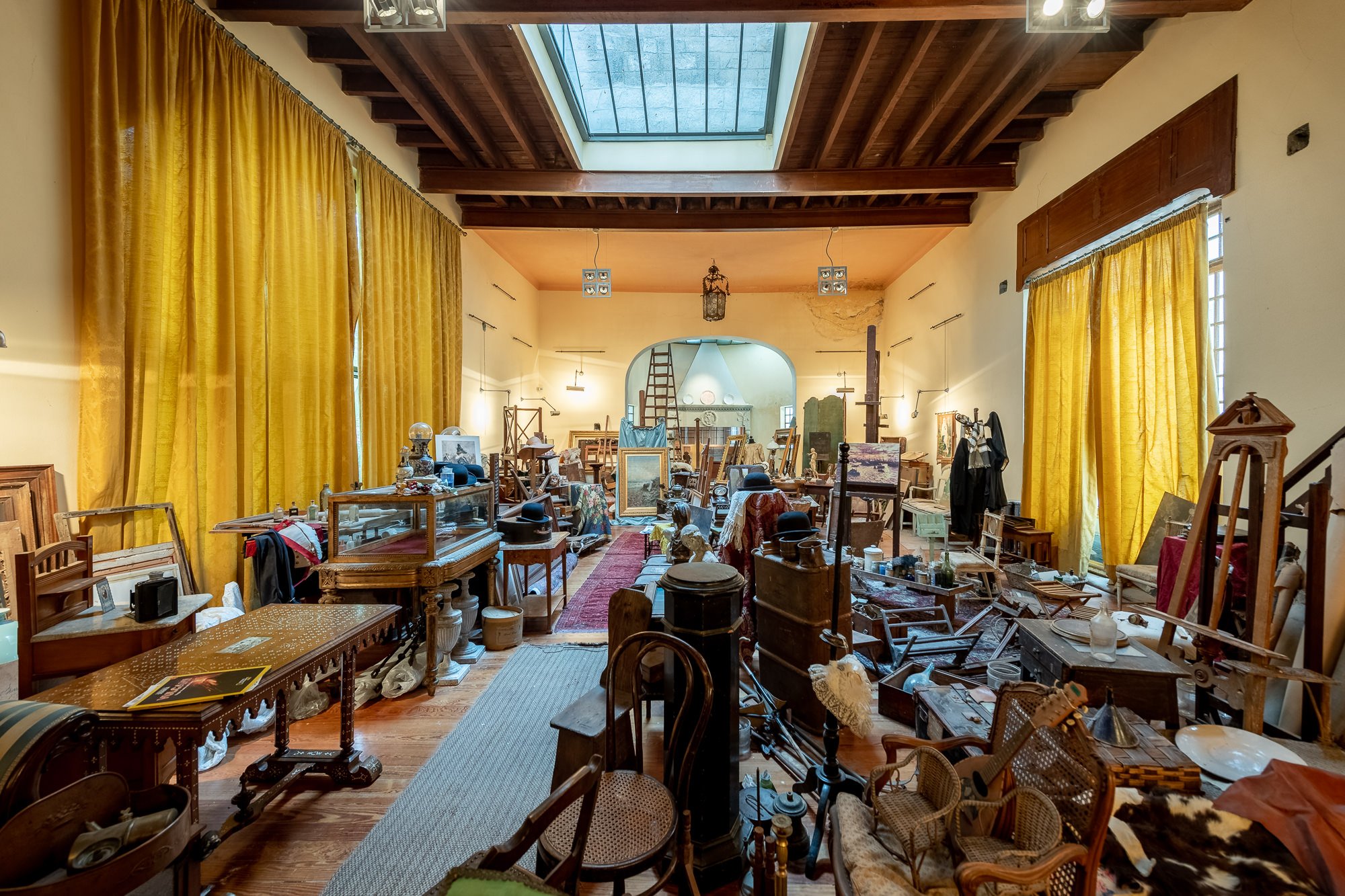
In 1911 Mariani had a studio built among the trees, designed by Rodolfo Winter, son of the famous gardener Ludwig Winter, and called it “La Specola”. It is a large, bright space with wide windows and skylights, and an entrance sheltered by a wrought-iron canopy by Mazzucotelli. Inside, everything has been left as it was: furniture, easels, canvases, the travelling palette, exhibition catalogues and the painter’s personal belongings, as well as a bas-relief by Paolo Troubetzkoy portraying his wife, Marcellina Caronni.
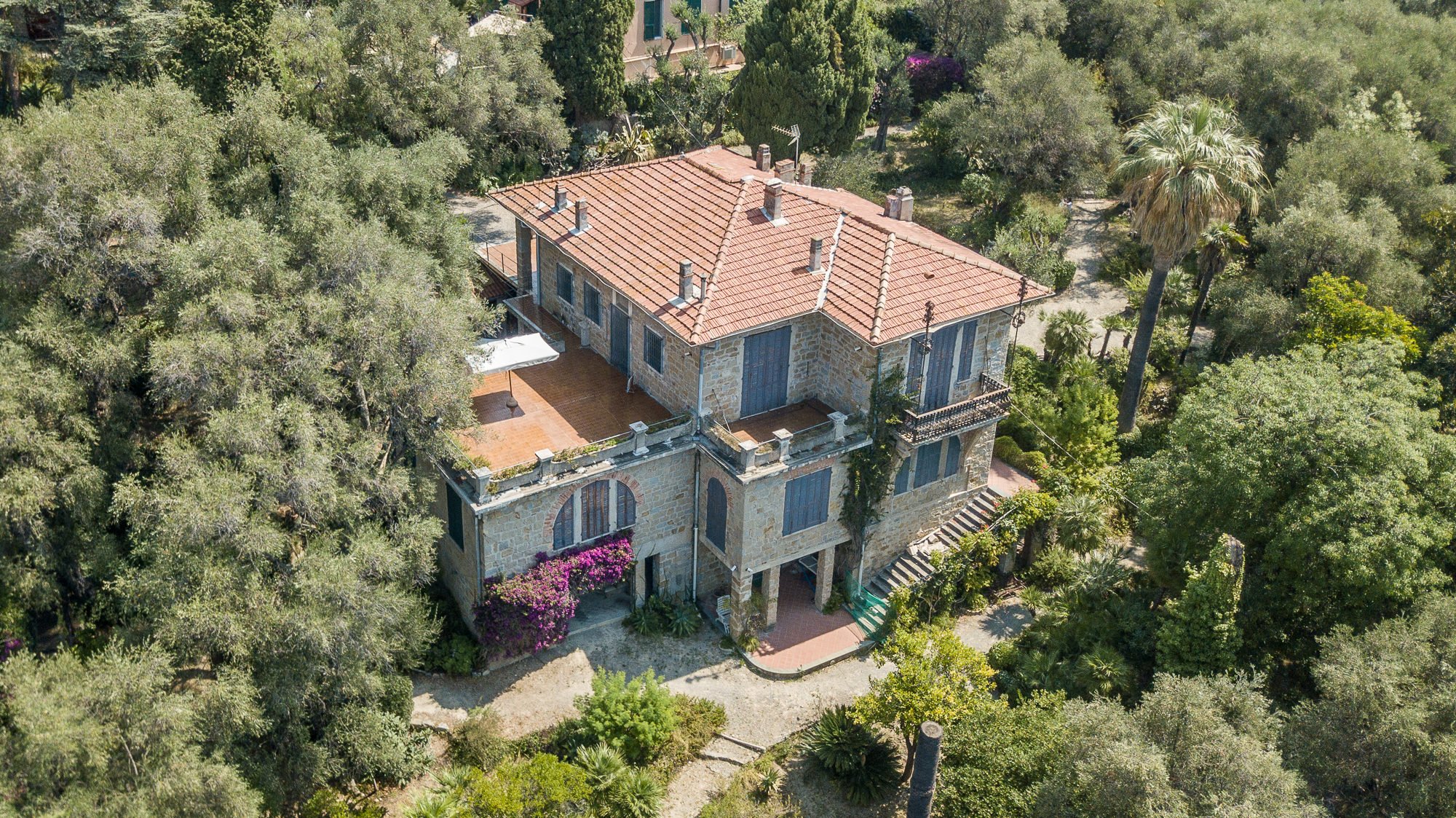
It is one of the very few 19th-century artists’ studios to have survived with its original furnishings and tools, together with the house and the park: a rare place, and not just for Bordighera.
The garden and Monet’s viewpoints
The park, about a hectare, is what remains of the Moreno Garden. Among citrus trees, palms and Mediterranean plants grow centuries-old olive trees of the Taggiasca variety, some more than five hundred years old. Panels along the paths mark the spots where Monet set up his easel in 1884: from here came paintings such as Garden in Bordighera, now at the Hermitage in St Petersburg, and View of Ventimiglia, held in Glasgow. Comparing the canvas with the real landscape, almost a century and a half later, is the most moving part of the visit.
The monumental olive trees
Two olive trees in the garden, recognisable in Monet’s studies, were added in November 2024 to Italy’s official register of monumental trees. You will find the full profile on the page dedicated to Monet’s olive trees.

Works by Mariani and Mosè Bianchi
The Foundation displays paintings by Pompeo Mariani, with his seascapes of Bordighera and scenes of fashionable life in Monte Carlo, alongside works by his uncle Mosè Bianchi and other artists of his time.
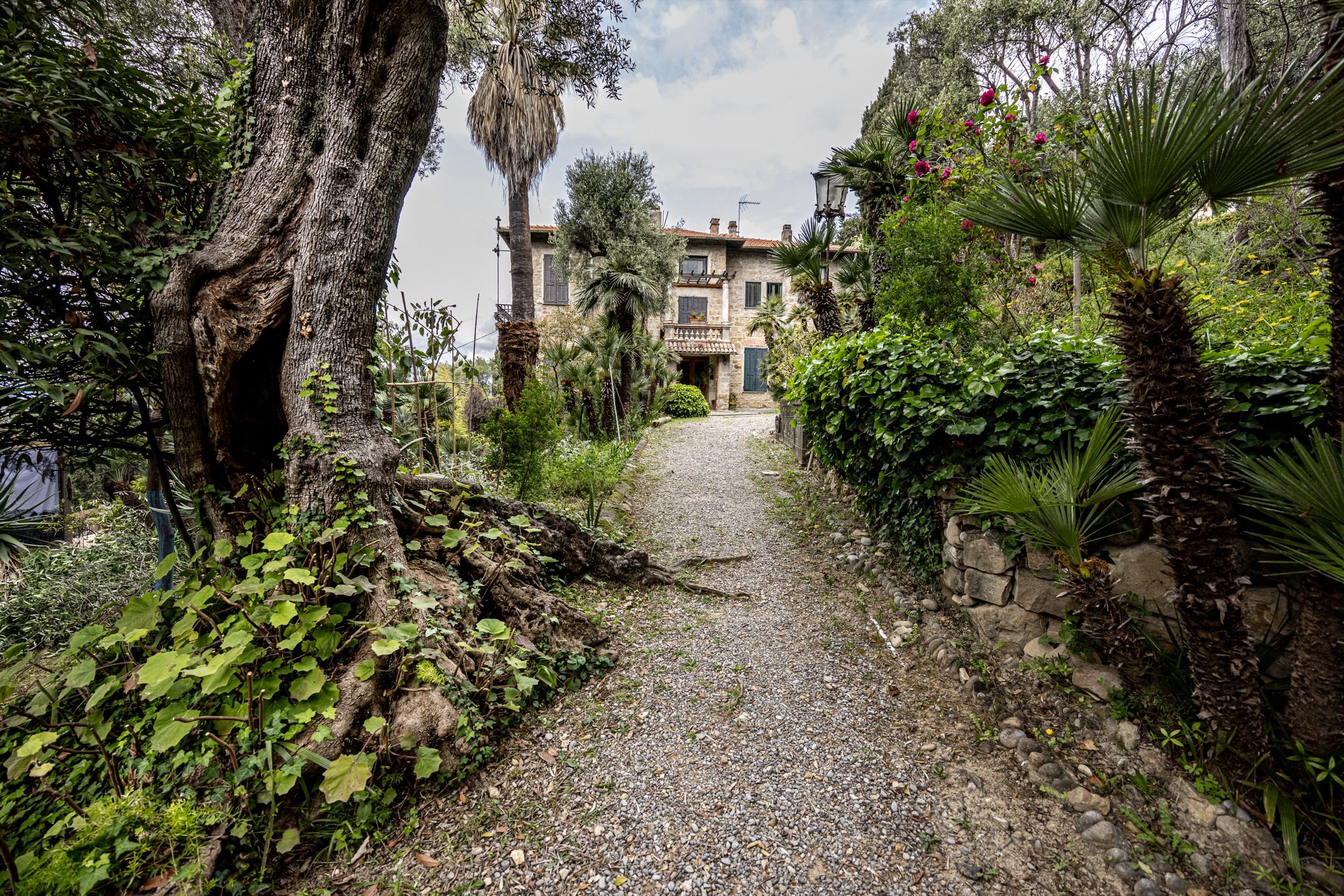
Today: an artist’s house to visit
Since 2008 Villa Mariani has been listed among Italy’s historic houses and is protected as an architectural and landscape heritage site. The garden has been chosen as one of the most beautiful landscapes in Liguria. The Foundation opens the villa, the studio and the park for guided tours by appointment and holds exhibitions in the studio dedicated to the painter and his time.
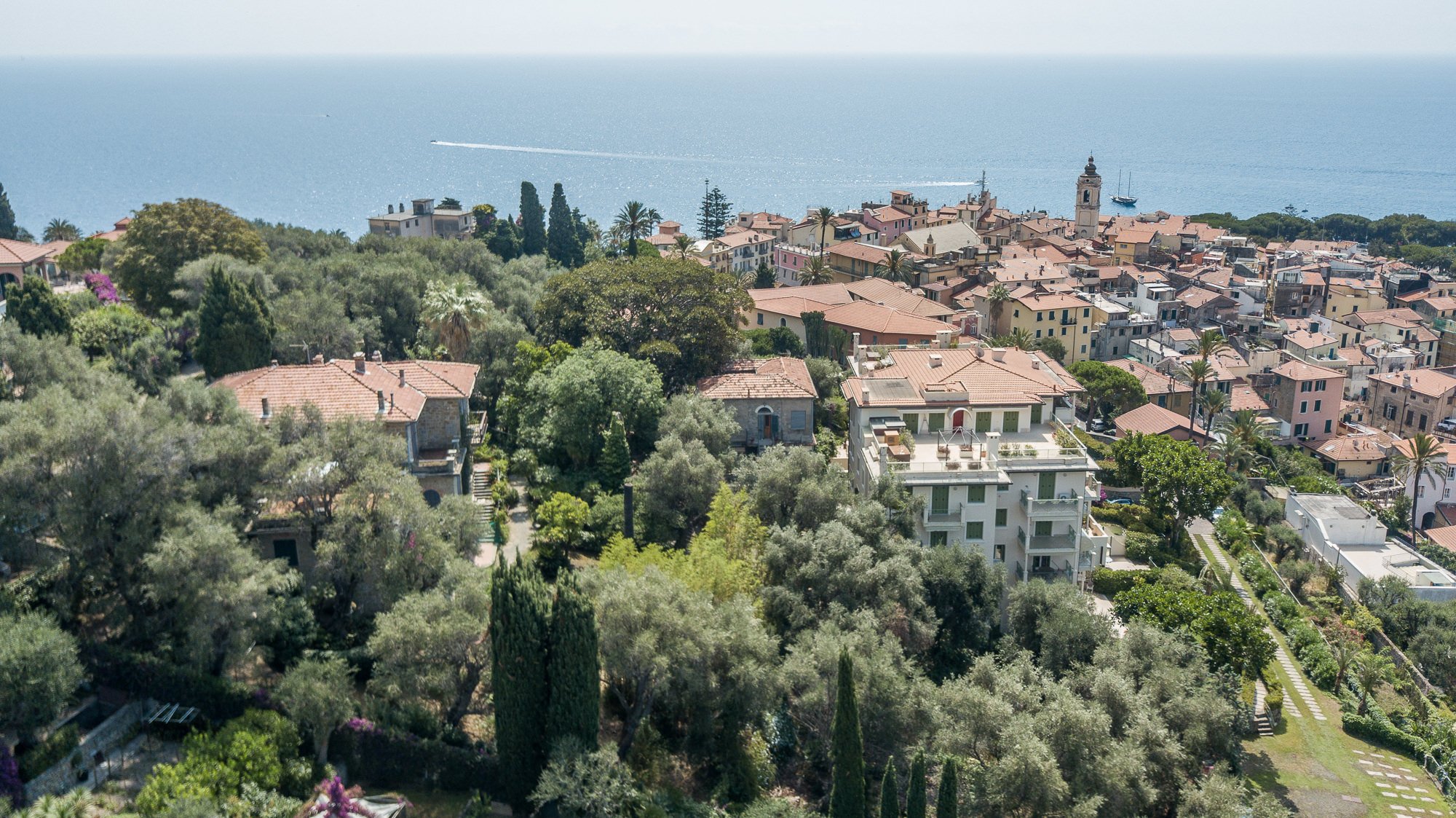
Tips for your visit
- How to visit: entry is by appointment only, with a guided tour and ticket. Contact the Foundation (tel. +39 347 2364922) for current dates, times and prices.
- Getting there: the villa is in Via Fontana Vecchia, above Bordighera Alta. From the historic centre it is a few minutes’ walk uphill.
- When to go: the morning and late-afternoon light is the light Monet was looking for. The garden is at its best in spring.
- Combine it with: the Giardini Monet, the Via Romana through Monet’s eyes and the Sentiero del Beodo. You will find them on the itinerary In Monet’s footsteps and in the walk in Monet’s footsteps. For the full story, read Monet in Bordighera.
Frequently asked questions
Can you visit Villa Mariani?
Yes, but only by appointment and on a guided tour. The visit includes the La Specola studio, the rooms of the villa and the garden with Monet’s viewpoints.
Who was Pompeo Mariani?
A Lombard painter born in Monza in 1857, nephew of Mosè Bianchi. After leaving a job at a bank he devoted himself to painting: he painted seascapes, landscapes and the society life of Monte Carlo. He lived in Bordighera for many years and died there in 1927.
What is the connection between Monet and Villa Mariani?
In 1884 Monet painted several canvases in the Moreno Garden, of which the villa’s park is a surviving part. Some of the olive trees and some of the views in his paintings can still be recognised today.
Where is it?
In Via Fontana Vecchia, on the hill behind Bordighera Alta.