

Type of holiday
A relaxing holiday in Bordighera
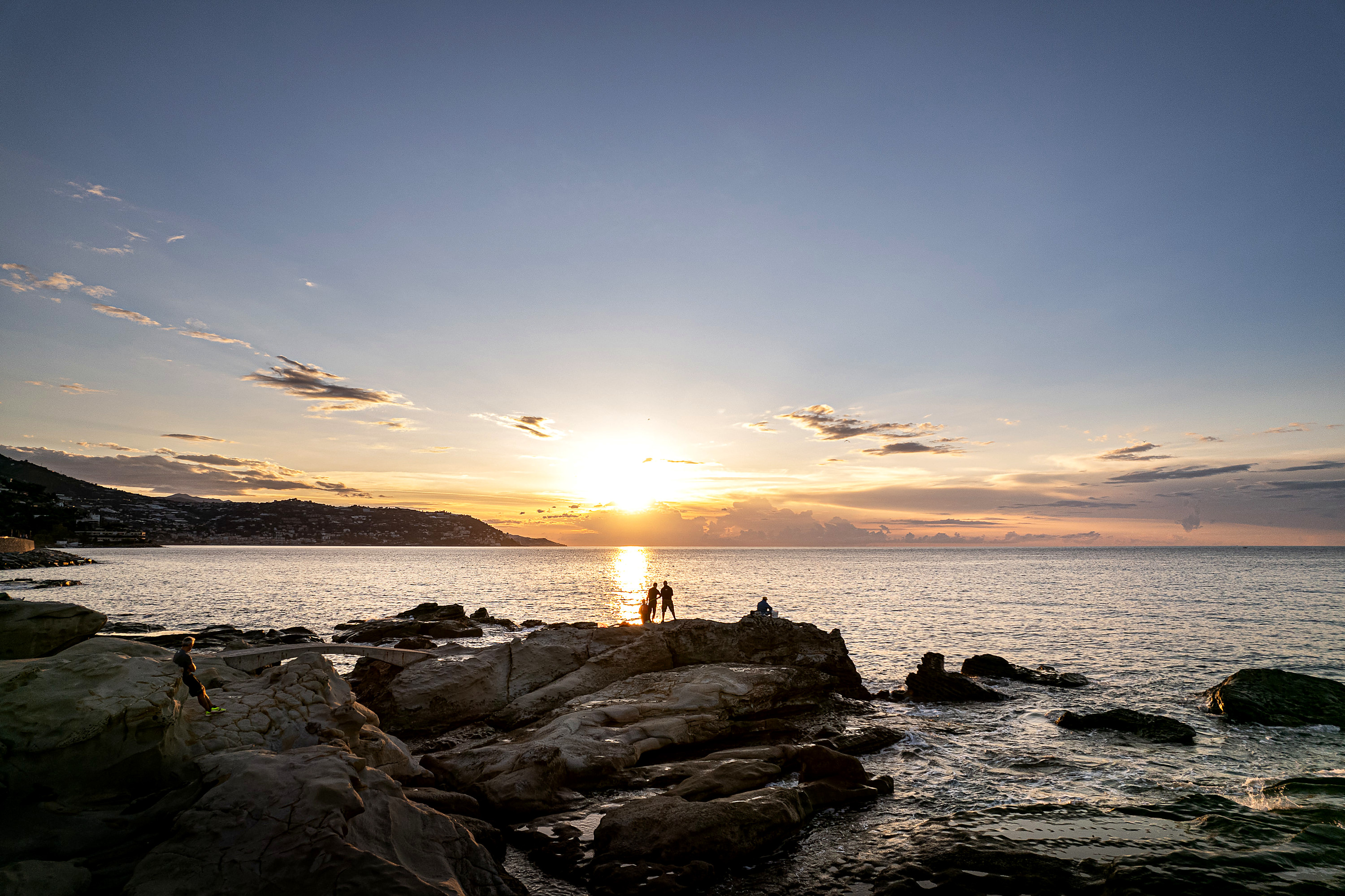
Gardens, Belle Époque villas, hill villages and sunsets over the rocks: here, time is taken slowly.
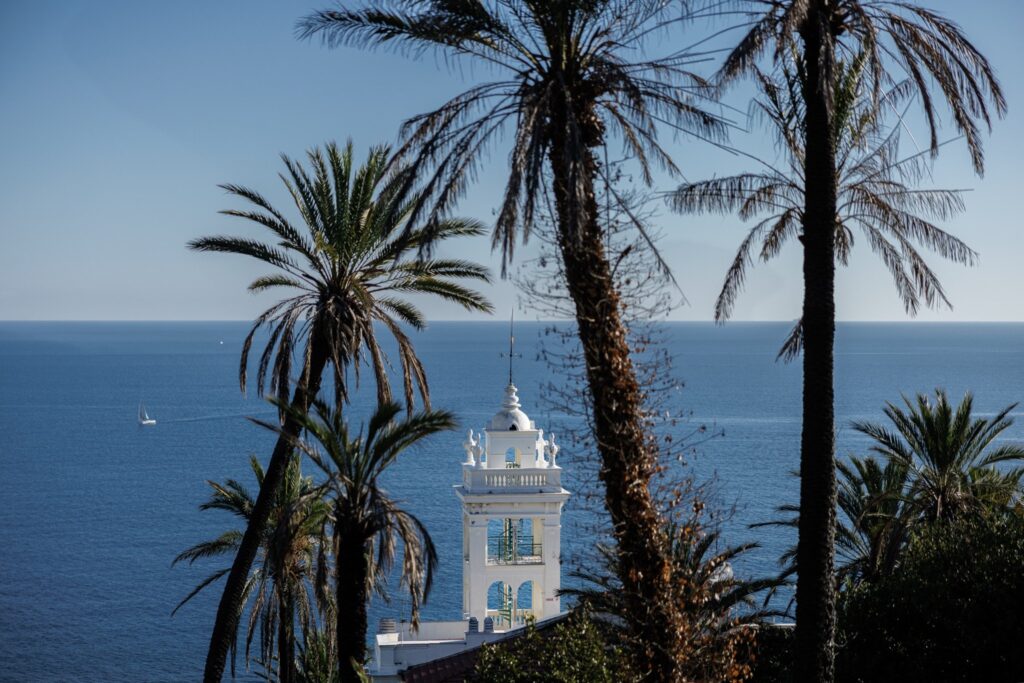
In the 19th century, travellers from northern Europe chose Bordighera to spend the winter: sheltered by the Maritime Alps, facing the sea, with a mild climate almost all year round. That era left behind the villas, gardens, libraries and promenades that still make the town a place to slow down.
Bordighera is best discovered on foot: mornings on the seafront among the araucarias, afternoons along the Via Romana among the villas and gardens where Monet painted, evenings in the little squares of Bordighera Alta. And when you fancy a change, the hill villages and the French Riviera are half an hour away.
2 km
of pedestrian seafront in the shade of the araucarias
1884
Claude Monet’s winter in Bordighera
1470
the founding of the old village of Bordighera Alta
7
monumental trees to discover on foot
Strolling between the sea and the old village
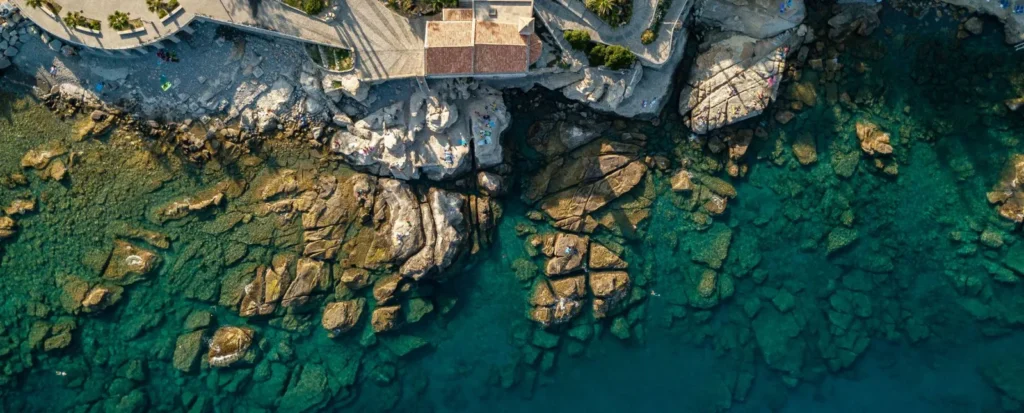
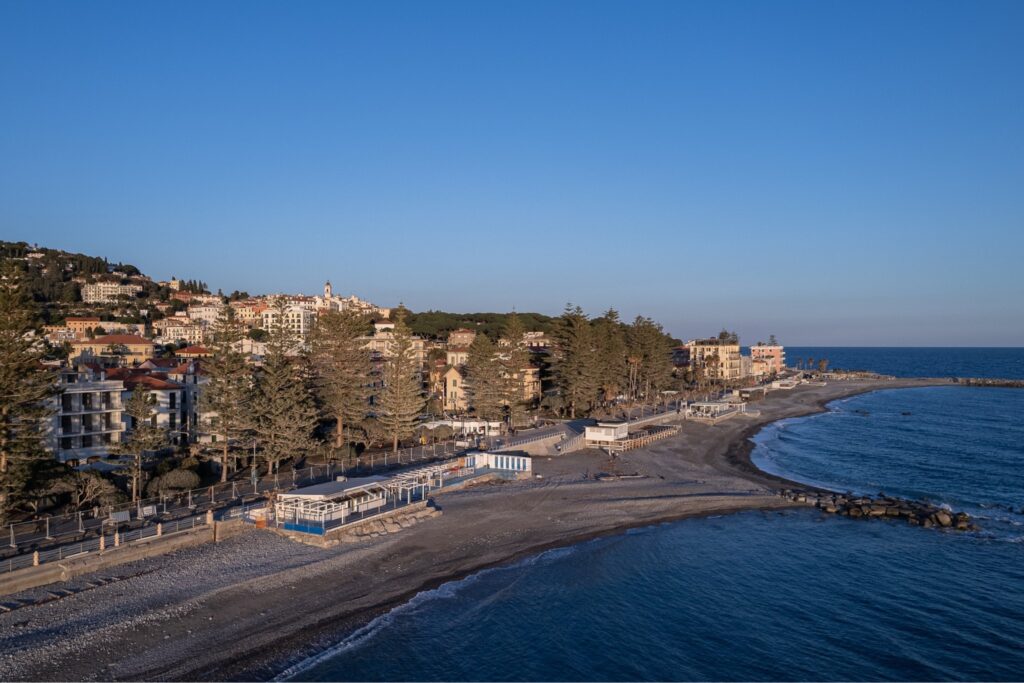
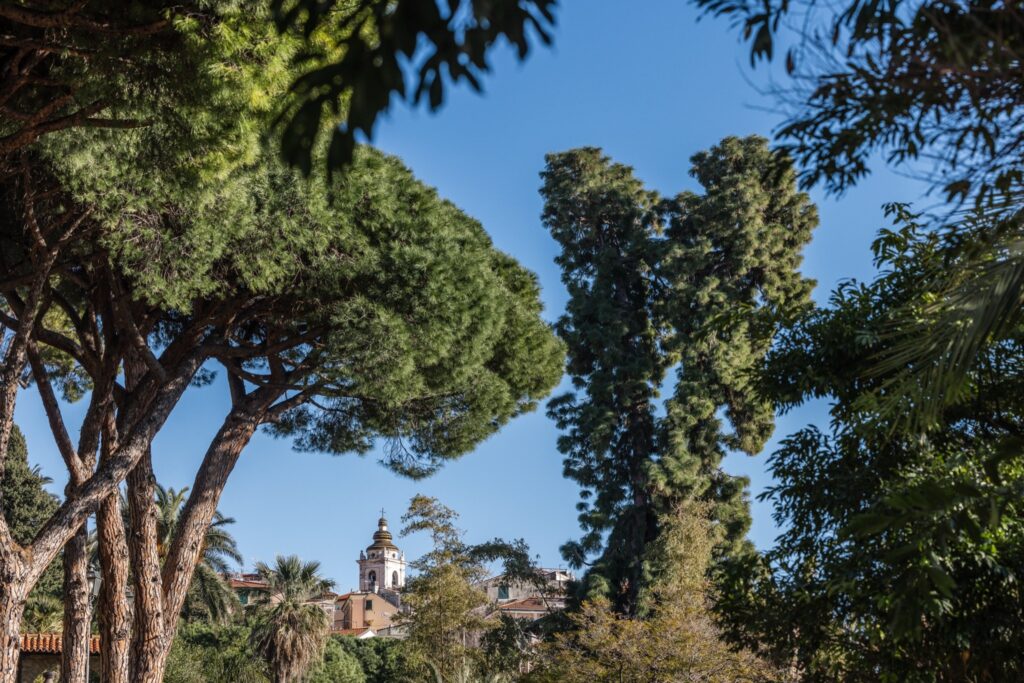
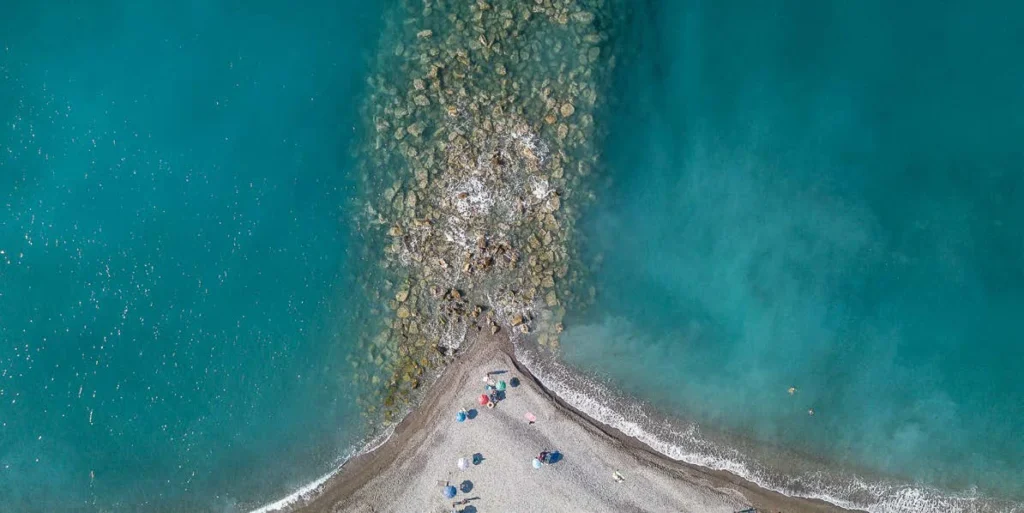
The Lungomare Argentina is the longest pedestrian seafront promenade on the Riviera: about two kilometres between the beach and the gardens, in the shade of a row of monumental araucarias. At its eastern end it reaches the foot of the Capo, where the church of Sant’Ampelio, Romanesque and dating from the 11th century, stands on the rocks like a sentinel.
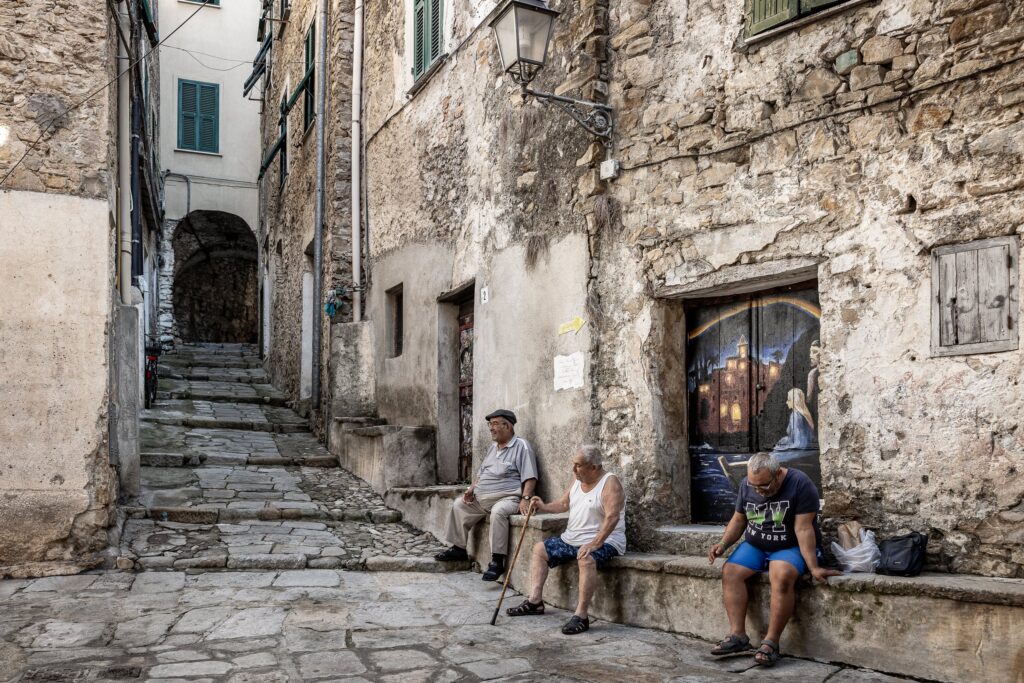
From there you climb up to Bordighera Alta, the old village founded in 1470: alleys, arches and little squares that can be explored at leisure in an hour and are at their liveliest in the evening, when they fill with tables, music and events.



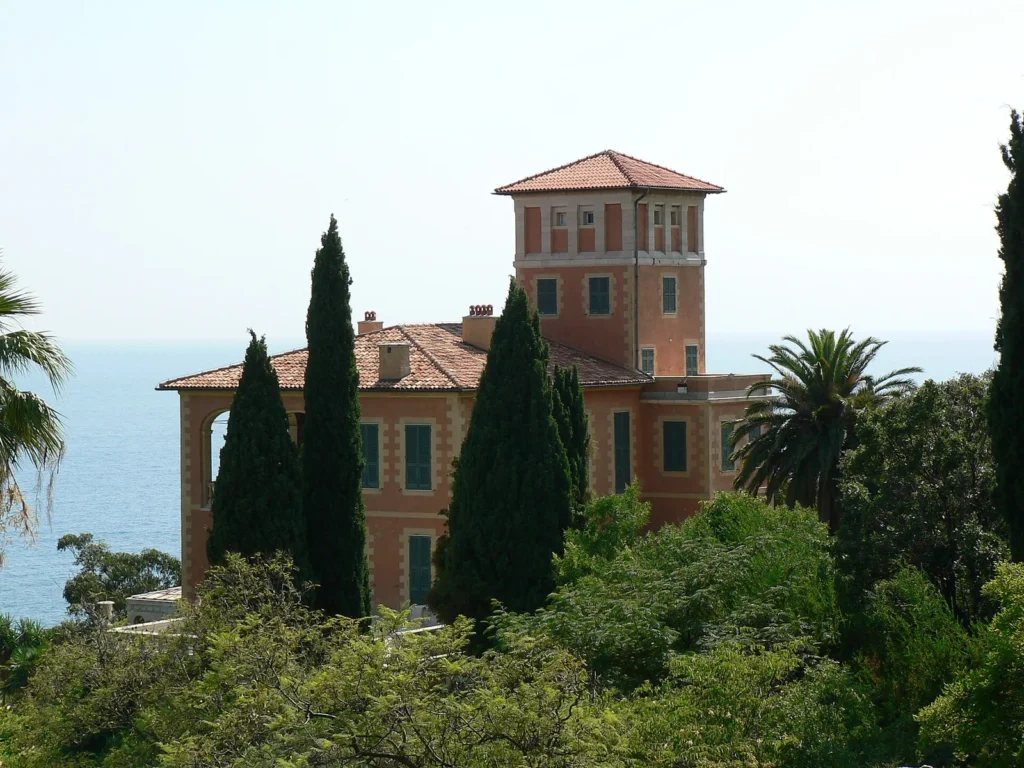
Belle Époque villas and gardens
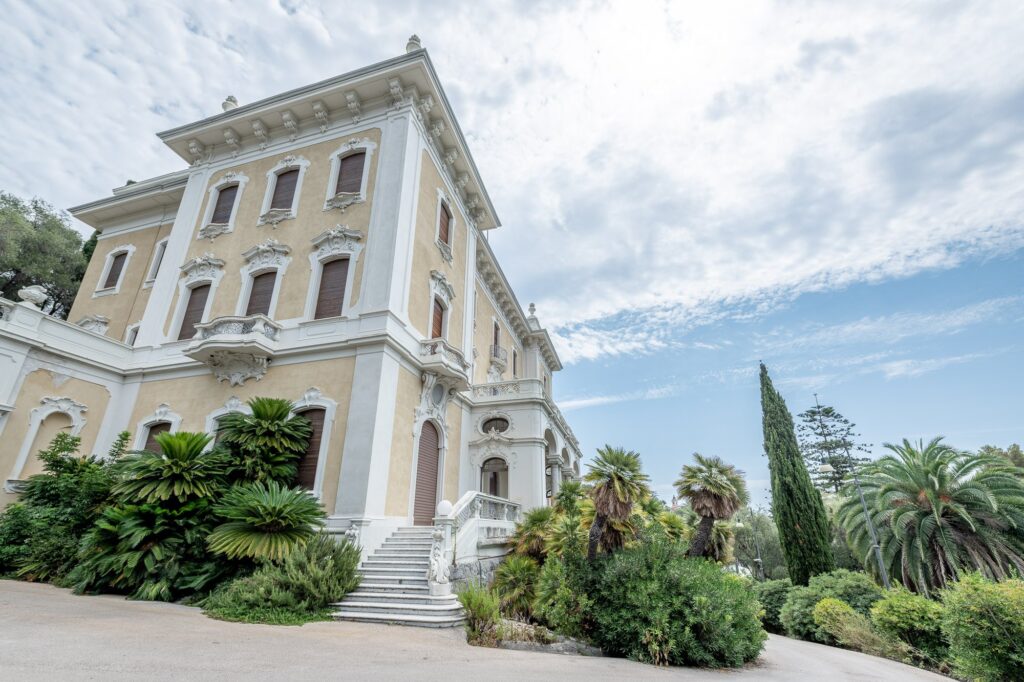
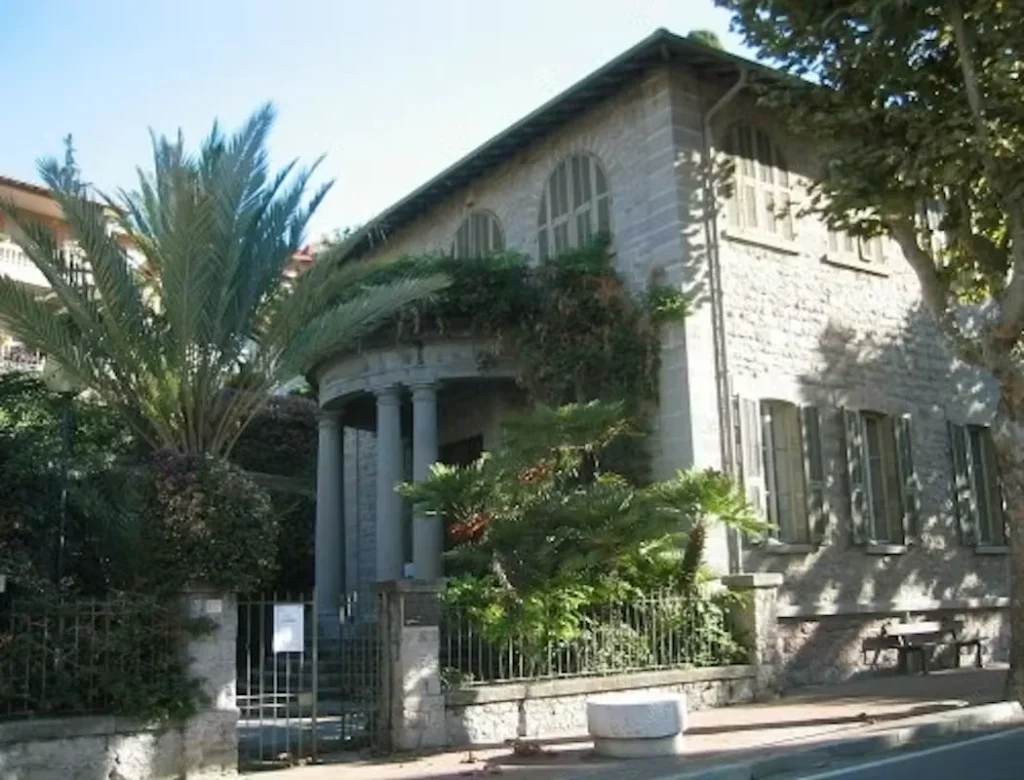
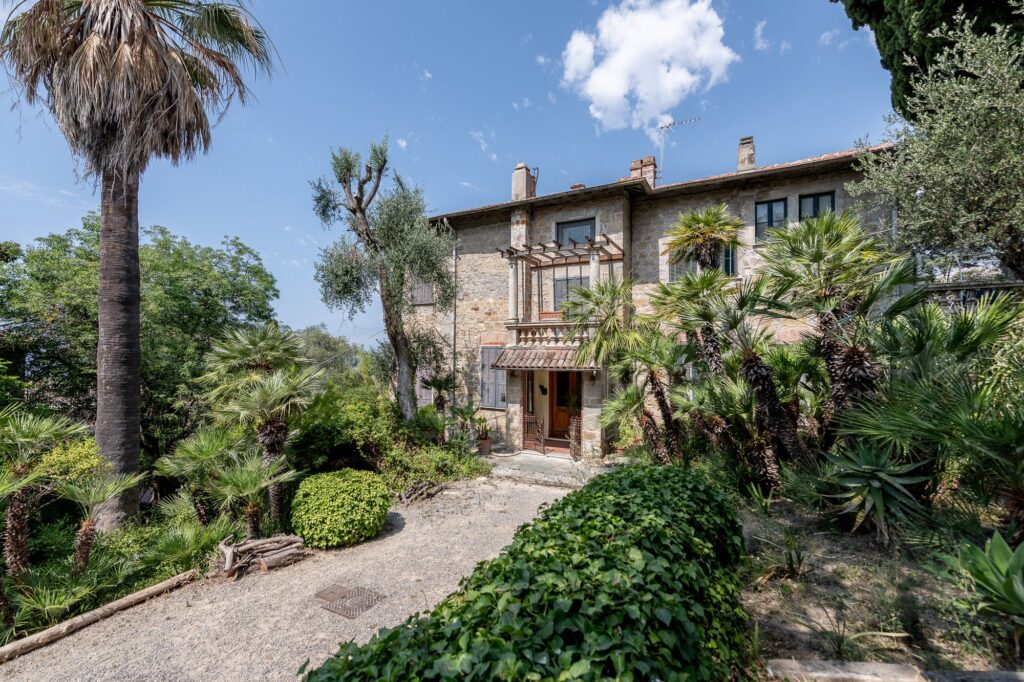
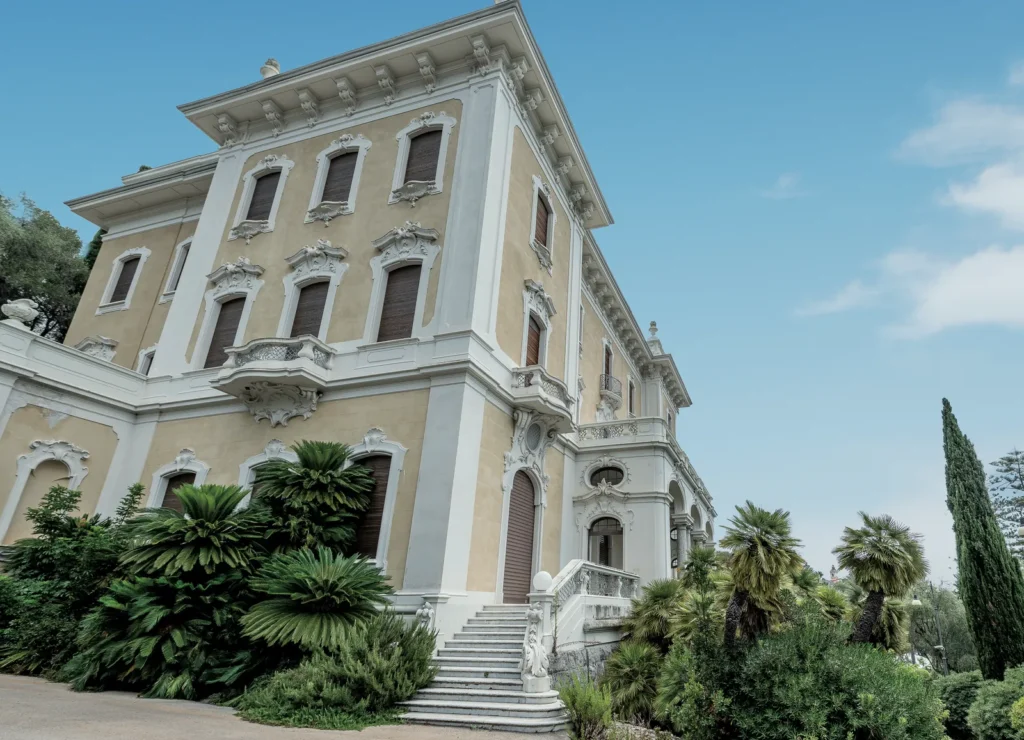
The Via Romana is the street of villas: Villa Etelinda, designed by Charles Garnier, where Queen Margherita stayed; the imposing Villa Regina Margherita; the Museo Bicknell behind its giant ficus trees. Almost all are private or closed, but they can be admired from the street as you stroll by.
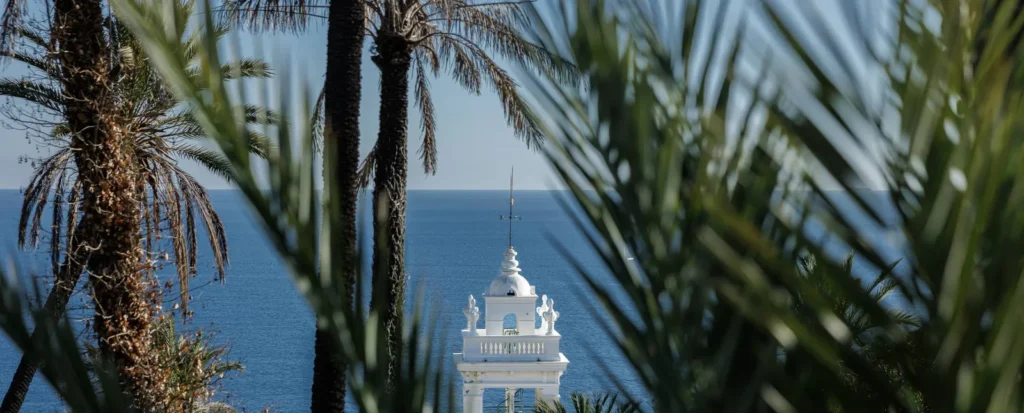
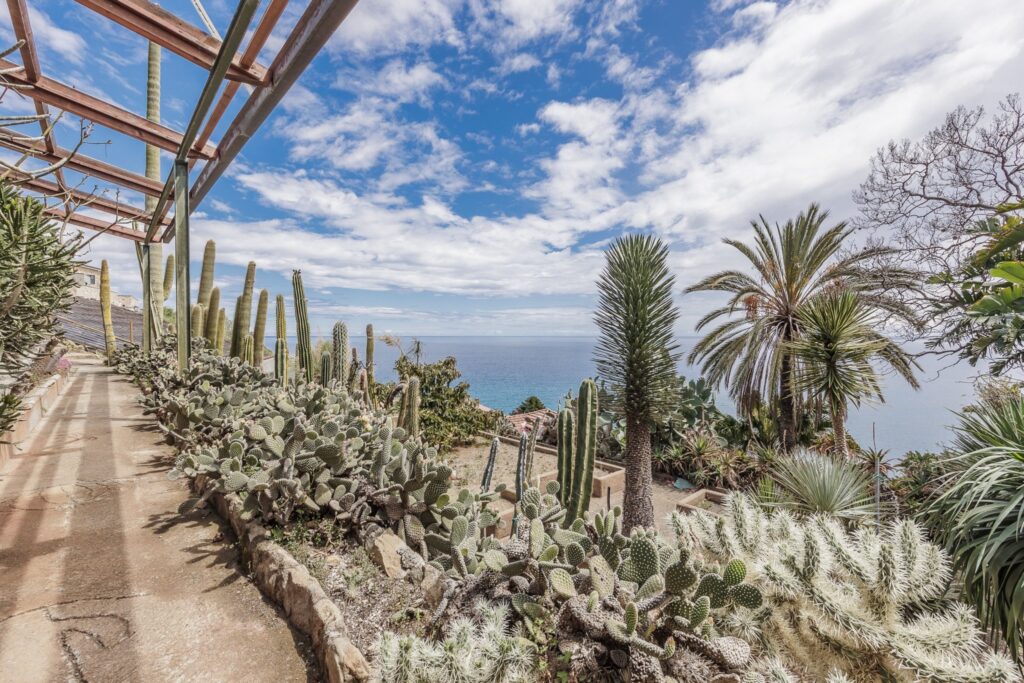
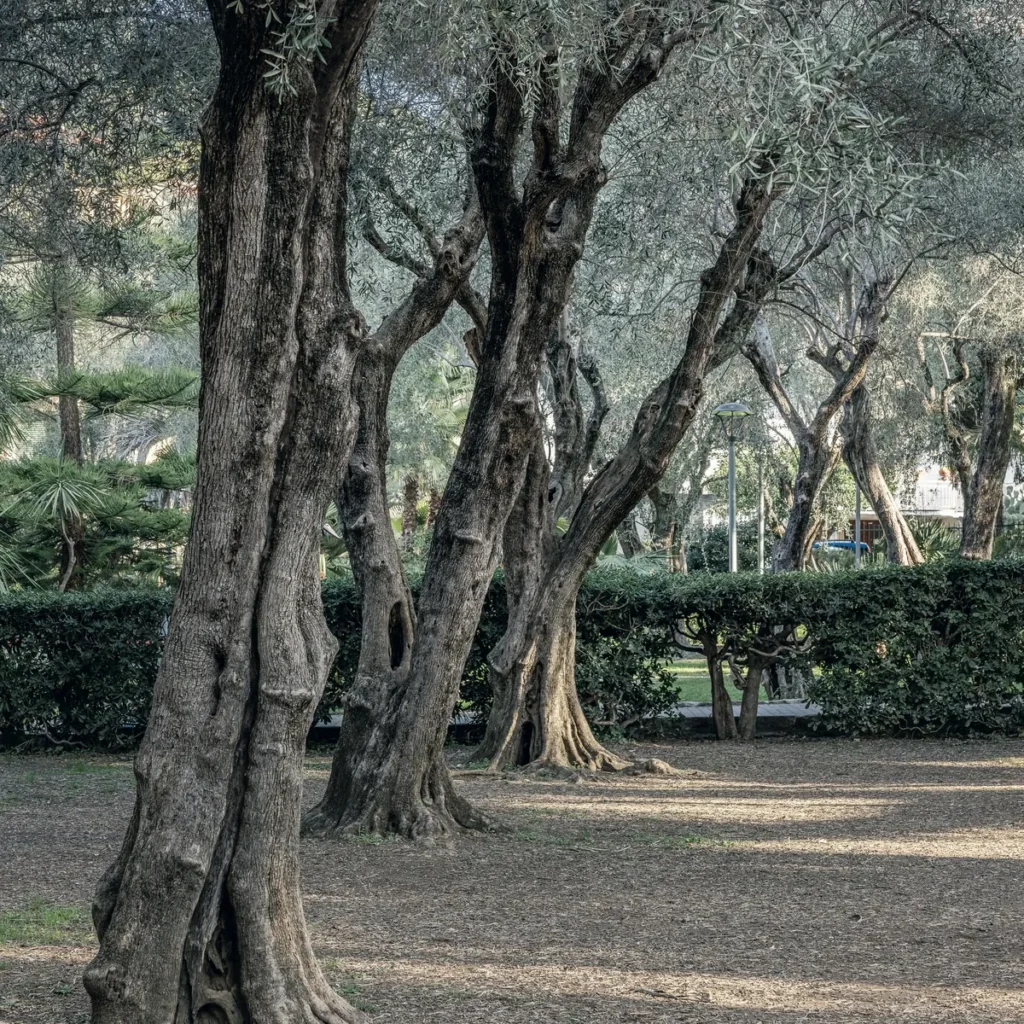
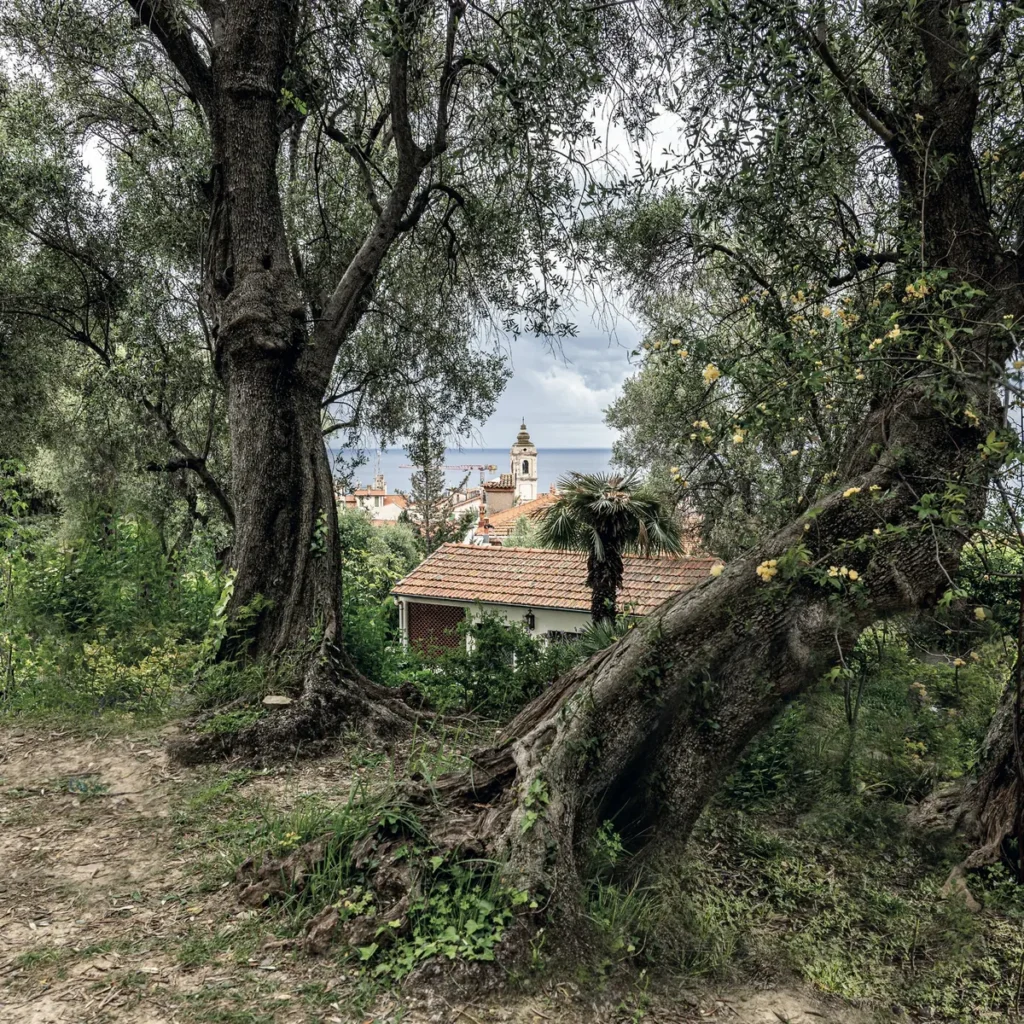
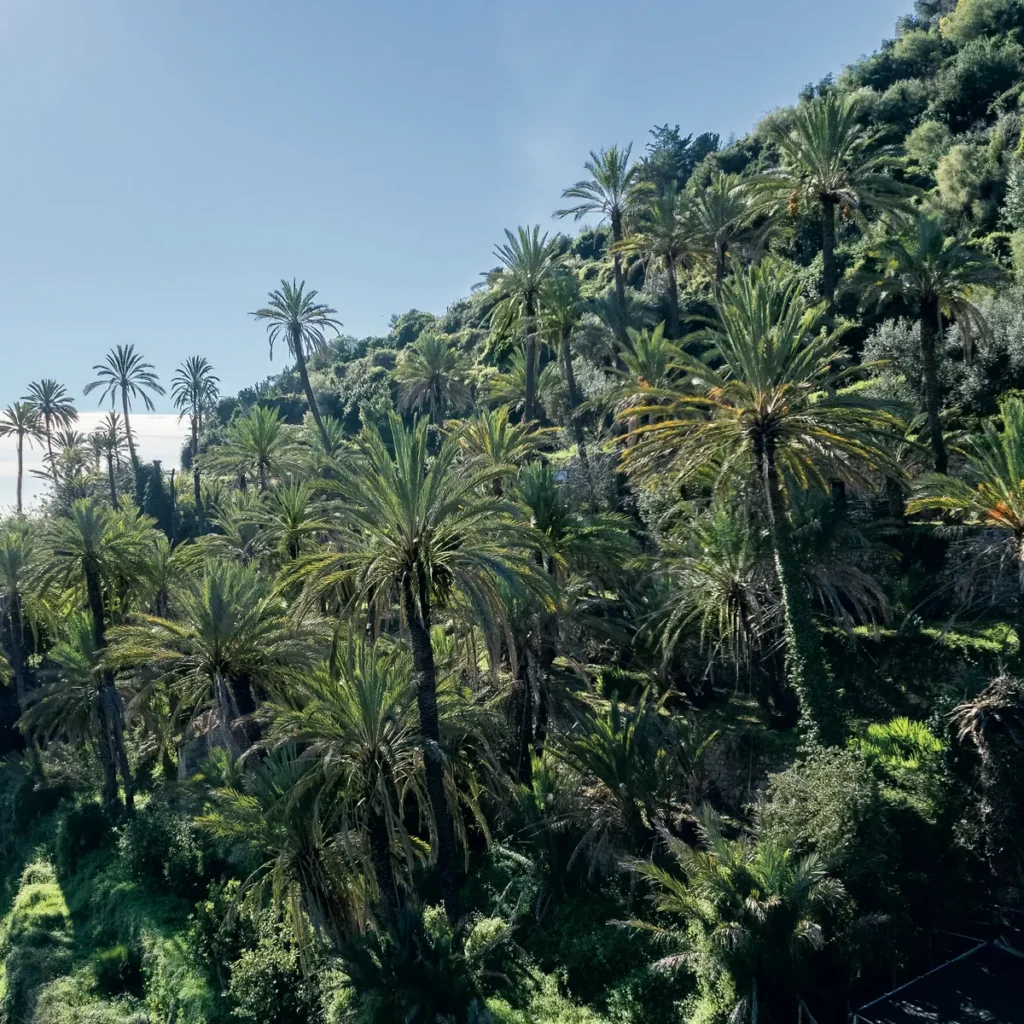
For a break in the shade there are the public gardens: the Giardini Lowe, with more than sixty centuries-old olive trees, and the Giardini Winter, the palm park of the gardener who shaped the green face of the Riviera. On the Arziglia hill, the Giardino Esotico Pallanca brings together more than 3,000 varieties of cacti and succulents.


In the footsteps of Monet and the English
In 1884 Claude Monet came for three weeks and stayed almost three months. Along the Via Romana, three “M” markers on the ground show the spots where he painted: stand on one and you will find his views again. The olive trees he portrayed still grow in the garden of the Fondazione Pompeo Mariani.
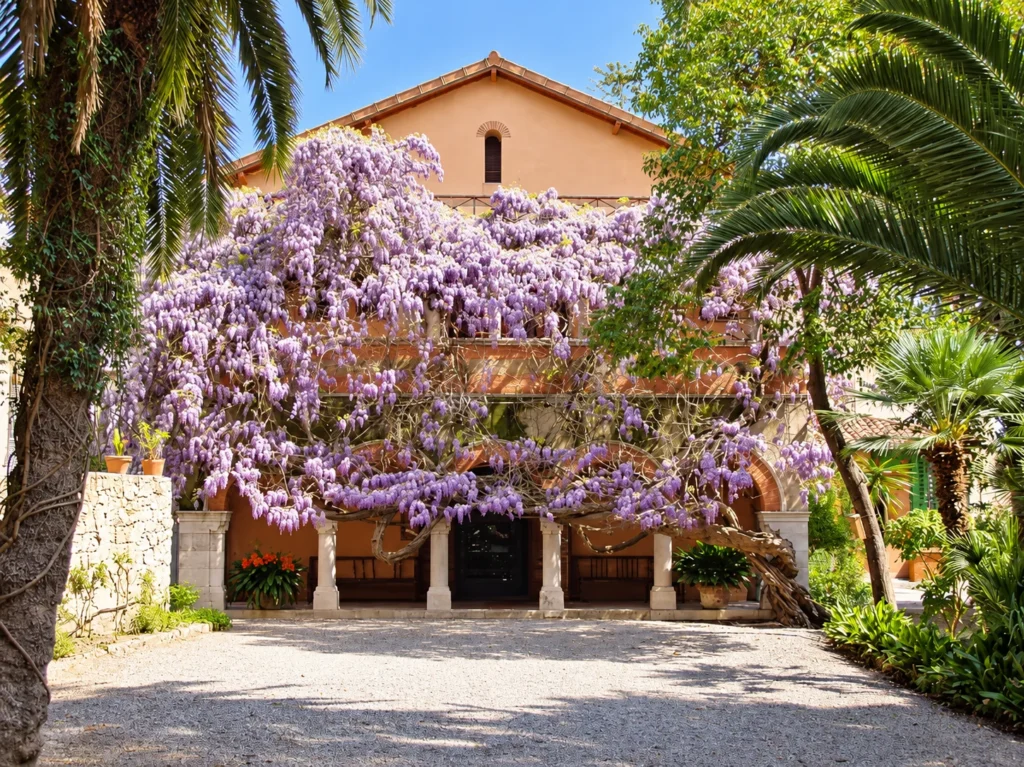
A few steps away lies the Bordighera of the English: the Museo Bicknell, founded in 1888 by a naturalist who painted flowers and copied prehistoric rock engravings, and the Biblioteca Civica Internazionale, with its century-old wisteria on the portico.


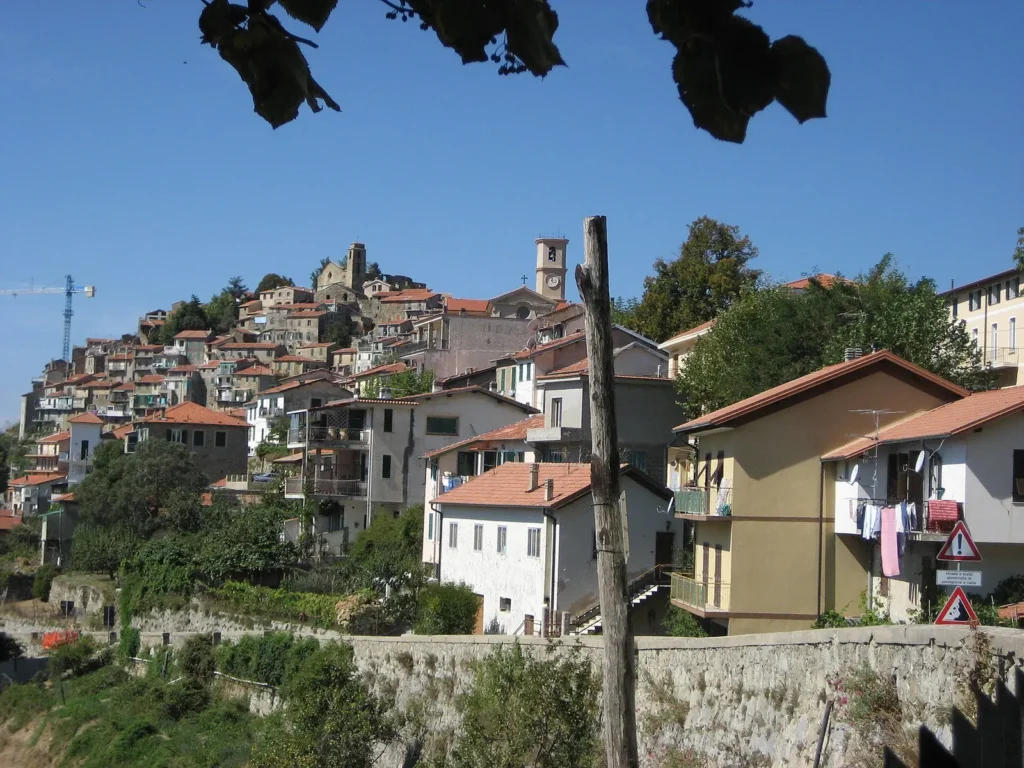
The hill villages
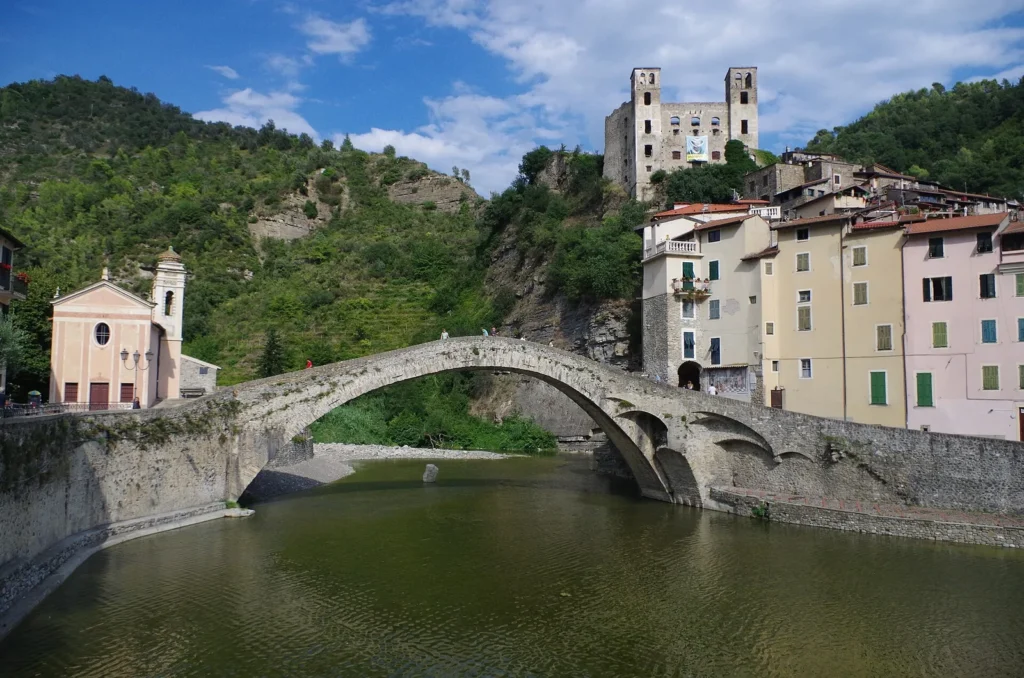
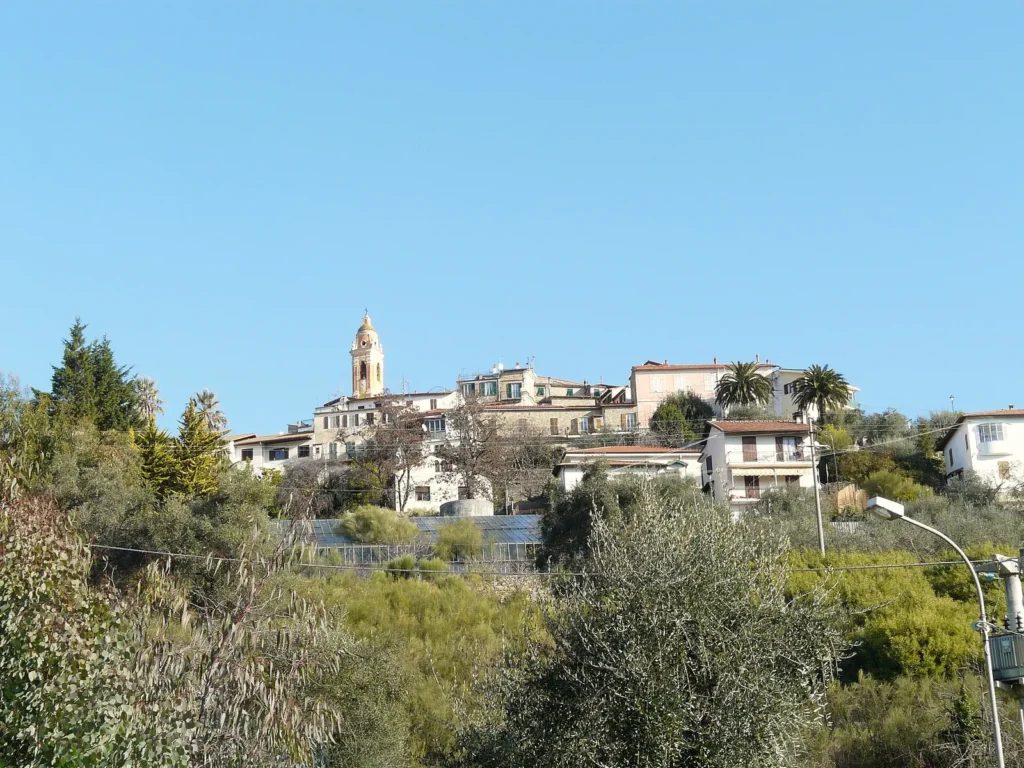
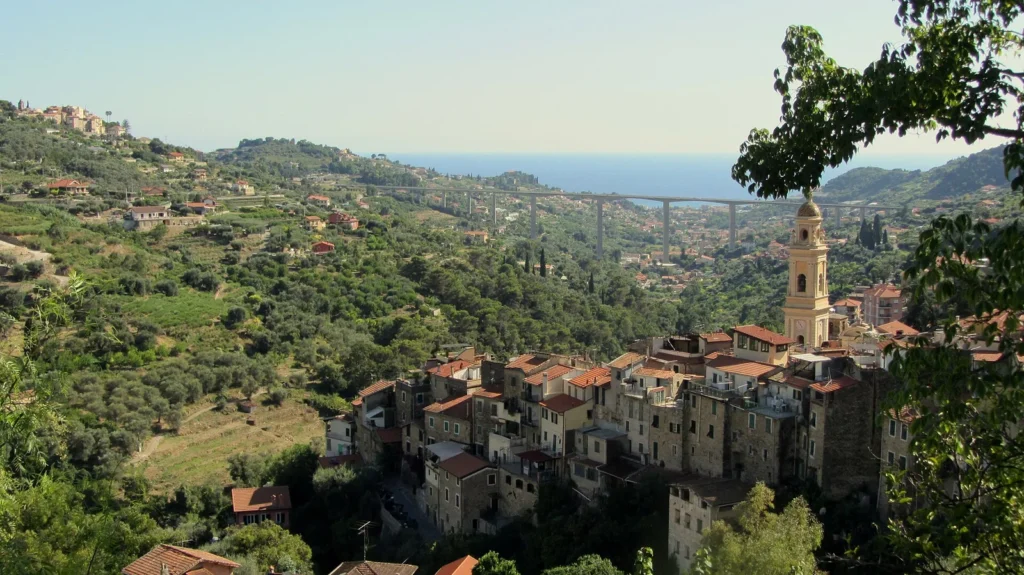
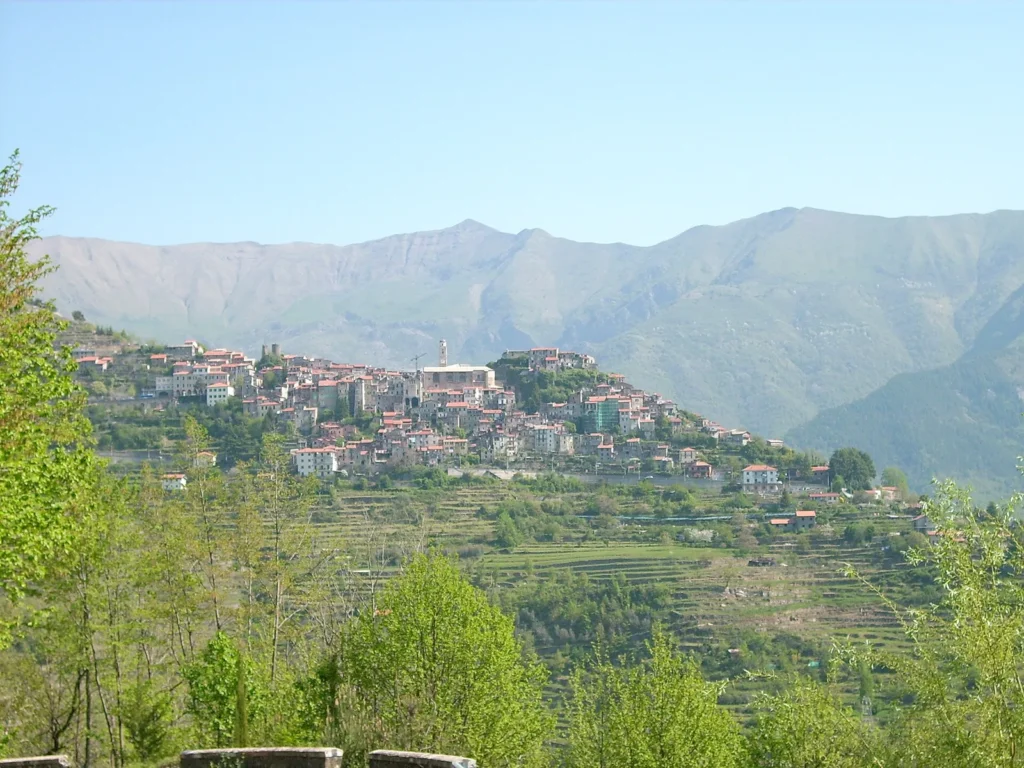
Behind the coast lie stone villages where life still follows the rhythm of the seasons. Vallebona is ten minutes away, among olive groves and mimosas; Seborga, at about 500 metres, still proclaims itself a principality; Dolceacqua, with the bridge Monet painted and the Doria castle, is the home of Rossese wine. Higher up, Apricale is the village of artists and Perinaldo the village of the stars.



A day across the border
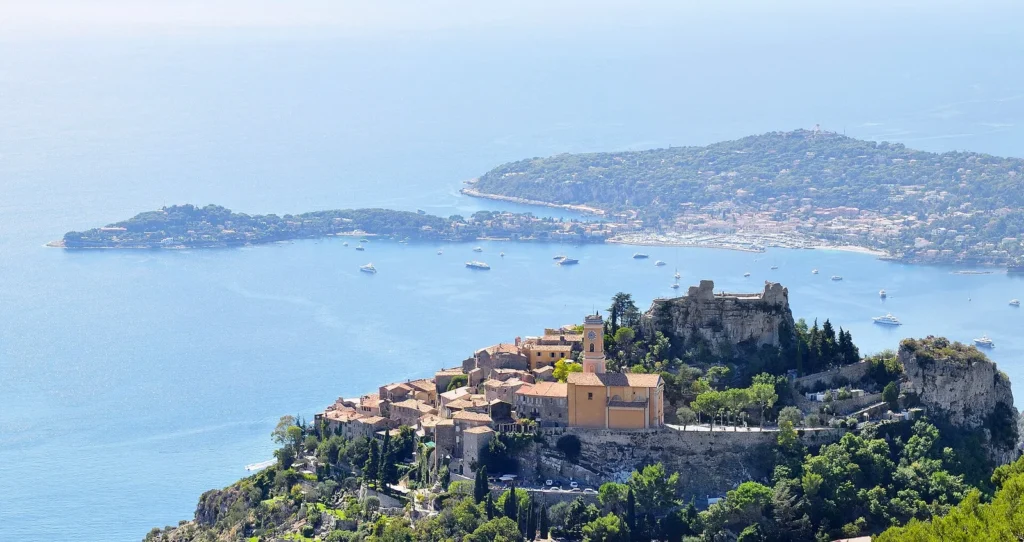
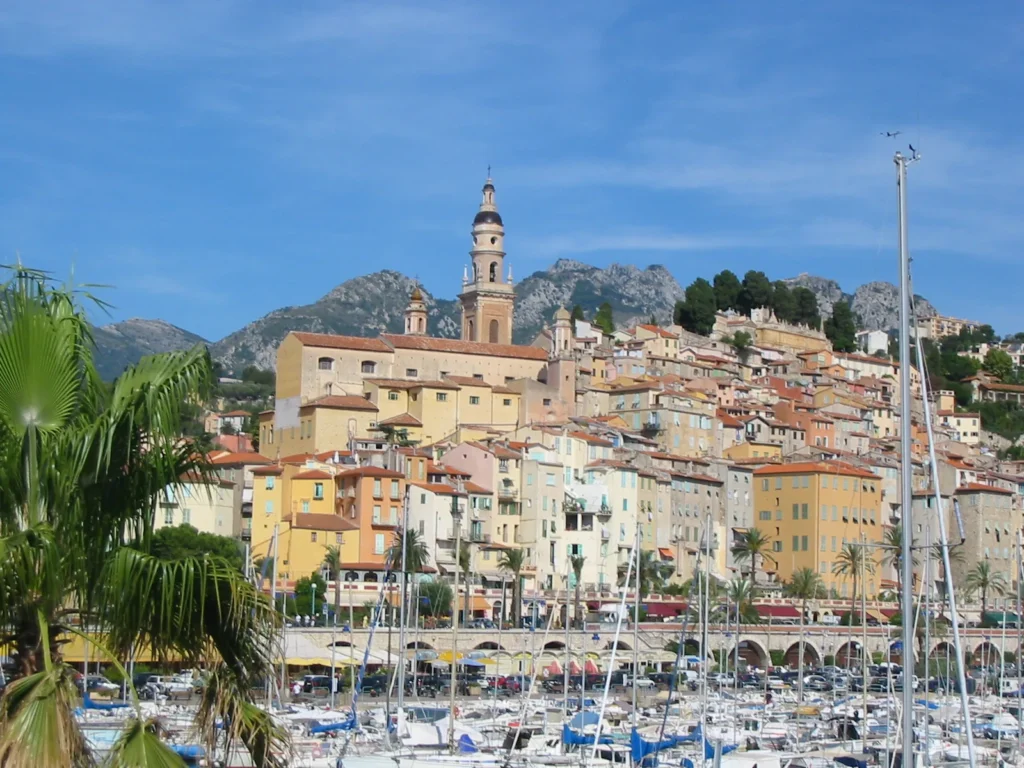
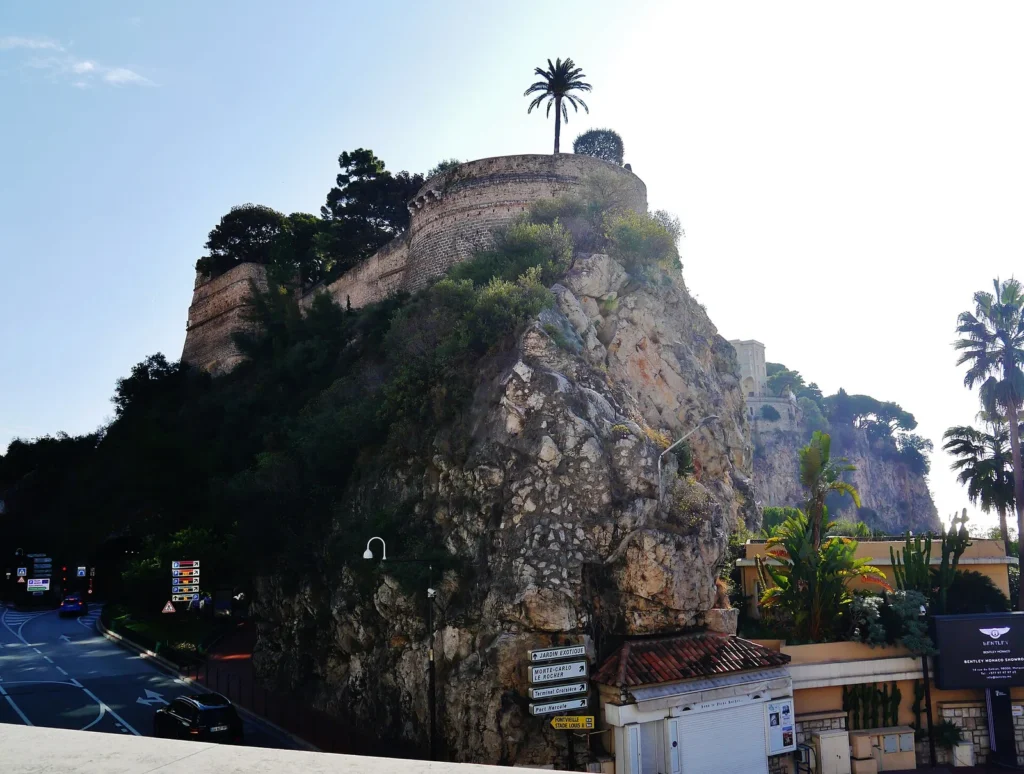
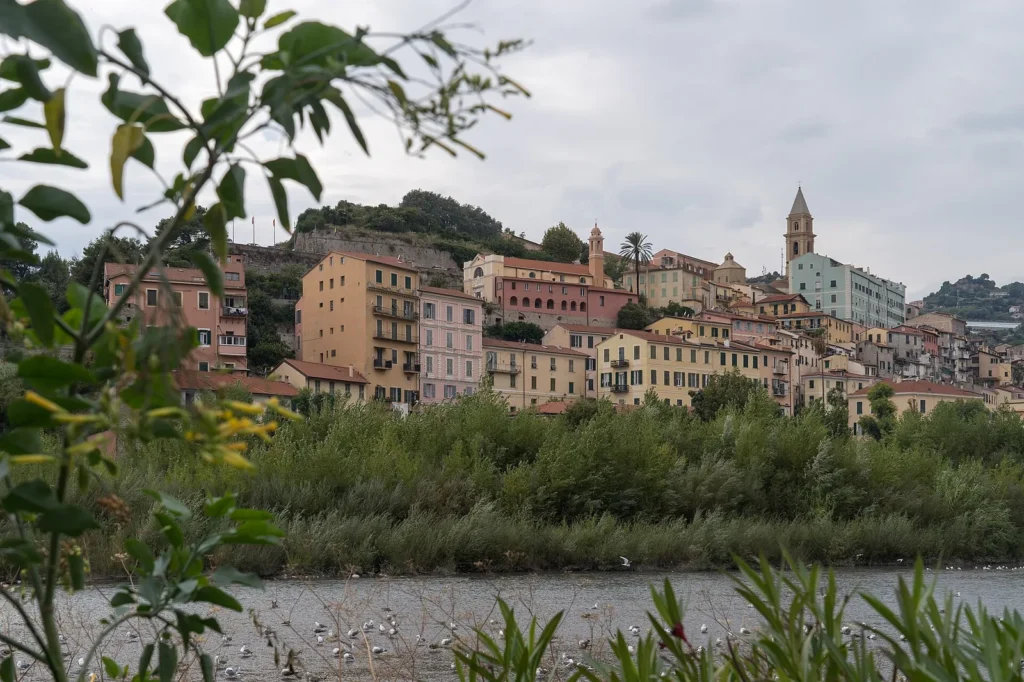
Bordighera is the last Italian town before France. Menton, with its ochre-coloured old town and exotic gardens, is about half an hour away by car; the Principality of Monaco less than an hour; further on, the village of Èze perched on its cliff. Before the border, 25 minutes away, the Giardini Hanbury descend in terraces to the sea.

Ideas for 1, 2 or 3 unhurried days
Three slow days, to combine as you like.
The sea and the old village
The seafront in the morning, as far as the church of Sant’Ampelio on the rocks. In the afternoon, the pine wood on the Capo and the Marabutto viewpoint; in the evening, Bordighera Alta and its little squares.
Villas, gardens and Monet
The Via Romana with Monet’s three “M” markers, the Giardini Monet, the Canary Island pine and the wisteria of the Museo Bicknell. In the afternoon, the Giardino Esotico Pallanca, about 3 km from the centre.
Villages or the French Riviera
Dolceacqua and Apricale in the Val Nervia, with a glass of Rossese. Or Menton: the old town, the harbour and the French seafront.
When to go
Spring
Gardens in bloom and long walks; in April and May, purple wisteria along the Via Romana.
Summer
The sea in the morning, evenings in the squares of Bordighera Alta and in the villages during their festivals.
Autumn
The sea stays inviting for a long time and the olive harvest begins in the hills.
Winter
Mild, sunny winters, like those that drew the English; and the tradition of woven palm fronds for Palm Sunday.
The month-by-month climate is on the page Bordighera’s climate.
More ideas for a relaxing holiday
All the other places and routes for those who want to take things slowly.







Frequently asked questions
What is there to do in Bordighera on a relaxing holiday?
Stroll along the Lungomare Argentina and out to Capo Sant’Ampelio, discover the villas and gardens of the Via Romana in the footsteps of Monet, spend the evening in Bordighera Alta and devote a day to the hill villages or the nearby French Riviera.
Can you visit Bordighera without a car?
The centre, the seafront, Bordighera Alta and the Via Romana are easy to explore on foot. For the Giardino Esotico Pallanca, about 3 km away, there is a bus stop on the Sanremo–Ventimiglia line next to the entrance.
When does the wisteria bloom in Bordighera?
Between April and May, when the wisteria of the Biblioteca Civica Internazionale and the Museo Bicknell wraps the façades along the Via Romana in purple.
Which villages are worth visiting near Bordighera?
Vallebona is about ten minutes away, Seborga and Dolceacqua about twenty, Apricale about 35 minutes and Perinaldo about 40. Dolceacqua, Apricale, Perinaldo, Seborga and Vallebona hold the Orange Flag (Bandiera Arancione) of the Touring Club Italiano.
Can you go to France for the day?
Yes: Menton is about half an hour away by car, or a few minutes by train from Ventimiglia; the Principality of Monaco is less than an hour away.
Plan your relaxing holiday
How to get here, the climate and an itinerary to discover Bordighera in a weekend.